
Magic Atlas, 2026.
Directed by Sun Xun.

SYNOPSIS:
A magician arrives in the reclusive coal empire of Luocha, triggering widespread panic in a society already simmering beneath a fragile peace.
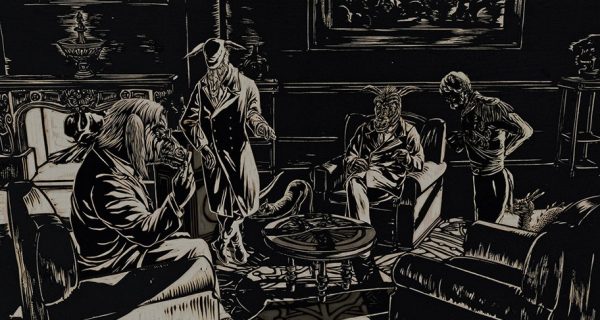
Animation is a lengthy and time-consuming process. Wildwood’s inflated claim of being 16 years in the making is little more than a marketing ploy. Still, the actual process of creating stop-motion characters is no easy feat and is a time-consuming process. For Sun Xun’s directorial debut, Magic Atlas, the film spent 10 years in production before finally seeing the light of day in 2026. An artistic and experimental feature that blends different animation techniques to tell its story, it is a technical marvel. However, it falls short narratively, resulting in a breathtaking piece of visual art rather than a fully satisfying film.
Film as a medium is truly diverse; there is no right or wrong way to construct a narrative or present a film. As mentioned, this film utilises a range of animation techniques, from woodcut animation and ink painting to more contemporary styles. On paper, it sounds as though this clash of styles would be more distracting than anything else. However, in practice, they come together to create a visually unique and striking film. Every frame is nothing short of a work of art, resulting in a film unlike anything I have seen in modern animation.
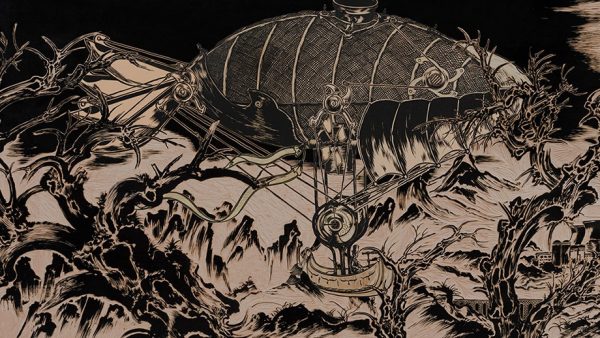
The woodcut sections of the film are masterful in their presentation. The world is filled with unique and dynamic textures, something I rarely find captured so effectively in cinema. Magic Atlas perfectly captures this texture; the wood grain is constantly present throughout, giving each frame a tactile quality that makes the world feel dense and lived in. The other animation techniques are equally striking, featuring bold and vibrant colours. Even when colour is absent, particularly during the opening ink-painting sequence, the film creatively splashes the credits across the screen, ensuring the audience remains absorbed by the visuals.
Visually, it’s close to utter perfection; narratively, it leaves a lot to be desired. Beyond the plot synopsis found on film festival websites, I couldn’t tell you what the film is truly trying to explore. While I understood certain themes presented, particularly the idea that forgetting our past leaves us vulnerable to manipulation and authoritarian control, the film never develops these themes in a meaningful way. The visuals present this concept creatively, with mosquitoes deploying amnesia powder across the nation’s citizens. However, beyond that, I felt the film offered little more than a truly breathtaking visual experience.
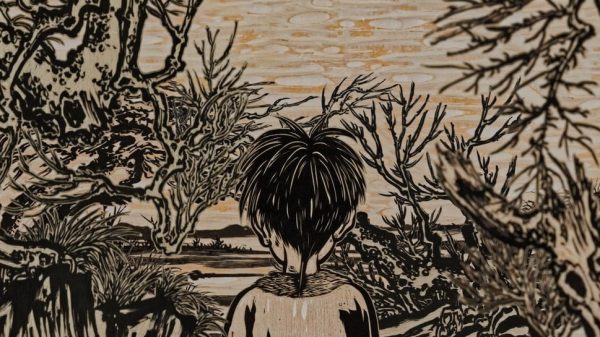
Magic Atlas is one of the most visually striking and awe-inspiring films I have seen in a long time. In terms of the viewing experience, Mamoru Oshii’s Angel’s Egg is the closest comparison I can make to rationalise how I felt while watching this film. While it is not as narratively strong as that anime classic, it is nevertheless worth experiencing to witness the magic of animation.
Flickering Myth Rating – Film: ★ ★ ★ / Movie: ★ ★ ★
Robert Ewing
https://www.youtube.com/watch?v=embed/playlist